There are 48 Crusaders in my ancestry, to my knowledge. I know that this is currently not a popular subject, but I’m not trying to push a narrative. I’m only writing about history.
There are lots of books on the Crusades and there will probably be more written in the near future. Today, the buzzword for describing the same area is “that it is complicated”. It’s true today, it was true a thousand years ago.
I’ve been slowly collecting genealogical data for the last 50 years. At first it was hard fought and very few accurate entries.
Some years ago, the most vetted European royalty genealogy clubs placed their data online. For over a hundred years people having been tracing the various royal lines as a hobby. Most of the members didn’t even have family roots in the line.
It was a natural goal to find the one family line that married into a royal family that was on geni.com because it meant hundreds of thousands of new connections that were pretty solid. And when there was an issue, there were dozens of written opinions to help make your own decision.
So, about three years ago I did break through, and for a time it was really wonderful. However the database was open to everyone, so some people uploaded information that was more of a wish than a fact.
It’s still a great resource but it must be approached with caution.
As I started to enter the data, I realized that I still had to enter line by line into my database, and some copy mistakes were made that cost a lot of wasted time, but I did learn a good system to handle the transfer. I could also add notations of my own, in my personal database.
I noticed a pattern of only using the year for birth and death, but sometimes the death was very specific. This makes sense because often people were around, but also the dates may have been due to plague or other disasters.
I started collecting those who were killed in battle. History has already determined the dates. In the royal lines that occurred often.
I also flagged those individuals who died far from home. Some because of war, some from pilgrimage, and some from the Crusades.
Often the database mentioned specific Crusader events.
So this is my quick summary, more than half are direct great grandparents, some are great uncles or cousins, and a few are distant cousins twice removed. Generally, I tend to trim my database to direct lines, but I got interested in the story of their lives so for now I’ve left them alone. They all have some DNA although very, very, very, small amounts.
Bouchard IV Lord Of Montmorency Crusader
B:ABT 1129 Montmorency, Seine-et-Oise, Île-de-France, France
D:1189 Acre, Akko, North District, Israel
Richard I, the Lionheart, Crusader
B:8 SEP 1157 Oxford, Oxfordshire, England
D:6 APR 1199 Châlus, Haute-Vienne, Limousin, France
Jean de Bethencourt Crusader
B:ABT 1200 Bosc-Asselin, Sigy-en-Bray, Duché de Normandie, France
D: Battle, East Sussex
Otton II Trazegnies de Blicquy Crusader
B:ABT 1150 , , , Belgium
D:1192 Acre, Northern, Israel
Raoul I de Coucy, Count/Seigneur de Marle Crusader
B: October 15, 1134 Boves, Somme, Picardie, France
D: November 01, 1191 Siege Acre, Palestine
Leopold von Babenberg Crusader
B:1050 Tulln, Tulln, Lower Austria, Austria
D:12 OCT 1095 Gars am Kamp, Horn, Lower Austria, Austria
Friedrich I, King “Barbarossa” Crusader
B:1122 Haguenau, Haguenau, Bas-Rhin, Alsace, France
D:10 JUN 1190 Königreich, Jork, Stade, Niedersachsen, Germany
Floris III van Holland Crusader
B:1141 Haarlem, North Holland, Netherlands
D:1 AUG 1190 Antioch
Dirk VI van Holland crusader
B:4 JAN 1114 Holland, Netherlands
D:5 AUG 1157 Vlaardingen, South Holland, Netherlands
Sophia Von Salm Rheineck, wife of Dirk VI
B:ABT 1115 Rhineland, Prussia, Germany
D:26 SEP 1176 Jerusalem, Jerusalem, Israel
Étienne II de Blois Crusader
B:1 JAN 1045 Blois, Loir-et-Cher, Centre-Val de Loire, France
D:19 MAY 1102 Ramla, Israel
Guy de Montfort-Castres Crusader
B:BEF 1170
D:31 JAN 1228 Varilhes, Ariège, Midi-Pyrénées, France
Philippe Ier de Montfort-Castres Crusader
B:1206 Sidon, Lebanon
D:17 MAR 1275 Tyre, As Suwaydā’, Syria
Enguerrand II de Coucy Crusade
B:1110 Boves, Somme, Picardie, France
D:1148 Nazareth,Palestine (died in 3rd Crusade
Dreux de Mello Crusader
B:ABT 1137 Mello, Oise, Picardie, France
D:3 MAR 1217/1218 Saint-Bris-le-Vineux, Yonne, Burgundy, France
Guillaume de Mello Crusader
B:30 SEP 1165
D:30 JUN 1241 Nicosia, Cyprus
Hugues III de Bourgogne Crusader
B:1148 Dijon, Côte-d’Or, Burgundy, France
D:25 AUG 1192 Jerusalem, Israel
Sigurd I, “the Crusader” Magnusson King
B:1090 Ålen, Sor-Trondelag, Norway
D:Mar 26, 1130 Oslo, Norway
Fulk V, King of Jerusalem Crusader
B:1090 Anjou, Isere, Rhone-Alpes, France
D: November 10, 1143 Acre, The Holy Land (died from riding accident while hunting near Acre)
Baldwin III, king of Jerusalem Crusader
B:1130 Anjou, Isere, Rhone-Alpes, France
D: February 10, 1162 Tomb Of Kings, Jerusalem, Israel
Mélisende d’Édesse, Reine de Jerusalem Crusader
B: June 02, 1105 Bourg, Rethel (France) – dtr of Baldwin II
D:11 Sep 1161 Jerusalem, Israel
Amalric of Anjou, king of Jerusalem Crusader
B:1136 Anjou, France
D: July 11, 1174 Tiberias, Israel
Robert I “the Magnificent”, Duke of Normandy Crusader
B:June 22, 1000 Rouen, Seine Inferieure, Haute-Normandie, France
D:July 03, 1035 Bahçelievler, İstanbul, Turkey (illness)
Estridson ‘Eric’ I “the Good” Jelling, King of Denmark Pilgrim
B:1056 Slangerup, Danmark
D:July 10, 1103 Paphos, Cyprus
Bodil Thurgotsdatter, Queen consort of Denmark Pilgrim
B:1065
D:1103 Jerusalem, Israel (Døde på Pilgrimstur)
Jean, lord of Bethencourt Crusader
B:1025
D:1100
Sir John Howard, Kt., MP, Sheriff of Essex, Pilgrim
B: August 22, 1365 Wiggenhall, Norfolk, England
D:November 17, 1437 Al Quds or Jerusalem, Niyabat al Quds, Mamluk Sultanate
Erard II, count of Brienne Crusader
B:June 01, 1130 Brienne-le- Chataeu, Champagne, France
D:February 08, 1191 Acre, Palestine (seige of Acre)
Heribert IV (VI), comte de Vermandois Crusader
B:July 20, 1032 Vermandois, Normandy, France
D:February 23, 1080 Tarsus, Cilicia, Asia Minor (now Turkey)
Renaldo Señor De Launay Crusader
B:1027
D:
Renato De Bracquemont y Launay son of Renaldo, Crusader
B:1054
D:
Geoffroi IV de Joinville, seigneur de Joinville Crusader
B:1141 Joinville, Haute-Marne, Grand Est, France
D: August 1190 Acre, Akko, North District, Israel
Georg “the Crusader” Spengler
B:1150 Wuerzburg, Bavaria, Germany
D:1190 Antioch, Turkey (Died while on Crusades
Salentin I, Graf von Isenburg-Kempenich Crusader
B:1200
D:1219 On Crusade
Adalbert II de Metz et Saargau, duc de Basse-Lorraine Crusader
B:970 Metz, (Present Lorraine), Western Francia (Present France)
D: December 25, 1033 Bouzonville (Returning from Jerusalem)
Robert de Beaumont, Third Earl of Leicester Crusader
B:1120 Leicester, Leicestershire, England
D: August 31, 1190 (now Albania), Durazzo Provence, Greece (Died in Greece on his return journey from a pilgrimage to Palestine.)
Guillaume de Grandmesnil, Heir of the honour of Grandmesnil Crusader
B:1092 Hinckley, Leicestershire, England
D:10 Feb 1184 Apulia, Italy
Guillaume le Jeune Gouët, d’Alluyes, III Crusader
B:1080 England
D:1119 Terre Sainte, , , , Palestine,
Ludwig I, Herzog von Bayern Crusader
B:23 Dec 1173 Kelheim, Bayern, Deutschland
D:September 15, 1231 Kelheim, Bayern, Deutschland
Otto I, Graf von Scheyern Crusader
B:1018 Schwaben, Kelheim, Bayern, Germany
D: December 04, 1072 Jerusalem, Judah, Israel
Guermond I de Picquigny, vidame d’Amiens Crusader
B:1080 France
D:1131 Saida, Gouvernorat du Sud-Liban, Líban (Lebanon)
Ernulf, seigneur de Hesdin Crusader
B:1038 Hesdin, Duchy of Lorraine (now Nord-Pas-de-Calais), France
D: 1098 (55-64) Antioch [nr. Modern Antakya], Hatay Province, Turkey (Killed on Crusade at Antioch, in the Holy Land)
Philip de Braose, 2nd Lord of Bramber Crusader
B:1073 Bramber, Horsham, Sussex, England
D:May 1134 Holy Land, Palestine
Bernard III (IV) de Saint-Valery, seigneur de Saint-Valéry Crusader
B:1113 Haseldene, Gloucestershire, England
D:September 17, 1191 Acre, Palestine (on crusade)
Gauthier “Crusader” de Saint-Valéry, Seigneur de Saint-Valéry Crusader
B:1031 Saint-Valery-en-Caux, Upper-Normandy, France
D:1098 Holy Land, Palestine
Eudes Borel, duc de Bourgogne Crusader
B:1058
D:March 23, 1102 Tarsus, Mersin Province, Turkey
90% of this data comes from http://www.geni.com and I have found that it is generally accurate and vetted with documents.
24 from France
6 from England
5 from Germany
3 from Belgium
2 from Denmark
1 from Norway
13 returned home
35 died while on Crusade, but not necessarily in battle.
14 were killed in action, in the record.
3 were women, two wives of pilgrims, one was the daughter of the King of Jerusalem, so she was Queen of Jerusalem.


















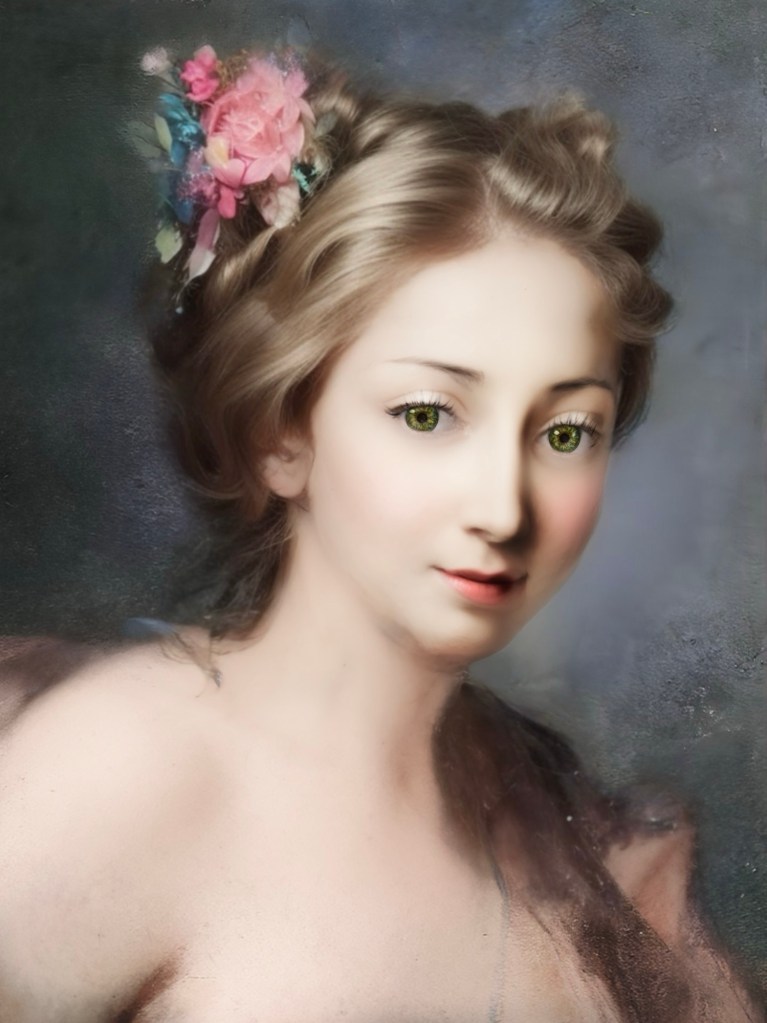


Ida of Formbach-Ratelnberg
Ida was born in Cham, Nordgau, Bavaria and she was my 29th great grandmother. Not much is known about her life. Her father was Count Rapoto IV of Cham. Her mother was Mathilde von Wels-Lambach, Gräfin von Passau und von Cham, and also from a long line of much higher royalty than her father, one of her mother’s ancestors was an Empress of the Holy Roman Empire.
Ida married well, her husband, Leopold II of Babenberg, was ten years older and left her as a widow in 1095.
Six years later Ida joined the First Crusade in 1101. In September of that year, Ida and her army were among those ambushed at Heraclea Cybistra by the sultan Kilij Arslan I. Ekkehard of Aura reports that Ida was killed in the fighting, but rumors persisted that she survived, and was carried off to a harem, according to Albert von Aachen.
Ekkehard of Aura’s is probably the most likely version, as he is the only one who can rely on eyewitnesses who were survivors of the Battle of Heraclea Cybistra, whom Ekkehard met a few weeks later in Jaffa, while Albert von Aachen and the author of the Historia Welforum reported only after hearsay.
I’m trying to wrap my mind around the fact that six years after being a widow she raised an army to go on Crusade. It wasn’t as if she took over her husband’s role at the moment of death, then continued on. This was her decision. She could stayed safely in Bavaria and managed her lands, and married yet another noble to gain prestige and wealth.
The cynic might say that she saw that possibility in joining the Crusade. I doubt that. The primary motive was faith, and for some greed was never an issue.
Ida was definitely a force to contend with.