I’ve been Pondering Again

Uh oh, I fear the path ahead.

So, I sit thinking about the things we see, and what we do about them. A painting on the wall, not yours, in a different place, different town. Who is it by? What do you think?

I think it is a blend of MC Escher and Salvador Dali. Oddly disturbing, mysterious, and beautiful.

That has an impact on how I feel, and the emotions that are just under the surface. Whatever happens next, whatever words are said, have to go first through this protective filter. Sight is powerful.

If we see something out of normal, a flaky patch of skin, a change in color, a lump of tissue. Between sight and touch, the experience can send you down path, close to the future abyss. Which is probably more like leaving the room than falling in a crevasse.

My thoughts turn to various moments of the totally natural event that didn’t happen, but should have. A truck crashing through a barricade on the road above me, 8×8 timbers exploding in either direction, so close as to sweep behind, and in front of me, leaving me standing safely, while the truck lands inches in front, bouncing from a 12 foot drop. Whew!

Or some years later, I’m on a small 20 foot sailboat, sailing alone, trying to let down the jib. I decide to go downwind, let the mainsail out fully, tie off the rudder, release the jib sheets, walk forward carefully to manually pull down the jib.

I was successful, I walk back safely, jump into the cockpit, bend forward a little, and my tight fitting beret fell off my head, I bend forward at my knees to pick the hat up, and suddenly the wind shifts and there is a hard gybe. The boom sweeps the boat moving from starboard to port with such violence as to nearly snap the mast.

Needless to say I should have been standing, I should have been hit in the chest, or beheaded. I should have been launched breathless into Richardson’s Bay, taking my first breath six feet under water.

For the non-sailor readers, a soft gybe is harmless in windless conditions. A hard gybe is still safe in steady winds from aft, but you have to bring the boom nearly to the center line of the boat, lock the sheet, and do not over steer the rudder, or you will knock the boat down.

Having the boom way out to the side, is like a professional baseball batter swinging for the bleachers. It gets real tricky when the wind shifts and your rudder is tied down. Somehow the boom didn’t hit me, and I got control of the rudder.

Accidents happen, sometimes we survive, sometimes we don’t. The curiosity is when synchronicity is taking place at the same time.

And here is the issue I am thinking today. If I have even the slightest issue of not understanding the meanings of past synchronicities, when they were monumentally obvious… what chance do I have in seeing and understanding the subtle future events?

Watching for them diligently is probably the first step, denying the possibility of coincidence is the second step, and maybe just asking for guidance is the third step.

Be ever alert, ask for help in your unbelief!

Posted in Commentary | Leave a comment

Synchronicities

I’ve often pondered whether synchronicities are merely coincidences. While Google may suggest they’re related, synchronicities carry a weight of “meaning” that’s both perplexing and disconcerting.

I find it unsettling when seemingly disparate events align to convey significance, especially when they could easily be dismissed as random or even “cartoonish.”

With my daughter and her husband visiting during a layover from New Zealand to NYC, and my wife away assisting our other daughter, I’m left alone, perhaps more susceptible to flights of fancy—or at the very least, awkwardly stable.

Driving with my departing daughter to Alameda, where they plan to catch an early morning flight, dinner plans were thwarted by a combination of rain and nighttime driving—two elements I’m not keen on facing simultaneously.

Opting to depart between storms while daylight lingered, I found myself amidst the peak of commute traffic, a scenario I’m accustomed to handling, so long as it moves at a steady pace.

Navigating through Alameda’s maze of commuter traffic and underwater tubes, I found myself queued up for the Webster Street tube. As traffic slowed, I seized the opportunity to cue up some music on my phone, settling on a blast from the past—“Alley Oop” from 1960.

Though it had been decades since I last heard it, I called upon Siri to play the tune. Yet, as seconds ticked by, it became evident Siri was struggling to connect. Did she need the artist’s name? The dilemma was real—I couldn’t recall. Was it “Sam the Sham, and the Pharaohs”? My memory was foggy, clouded by the dozens of one-hit wonders from that era.

As I attempted to clarify, the unexpected unfolded. Just as I uttered “Sam the Sham and the Pharaohs,” a towering figure emerged in the tunnel ahead of me. His outstretched arms and striped robe gave him an uncanny resemblance to Moses, especially with the cars parting to the left and right. But wait, he had a headdress and kohl eye makeup. Not Moses, but Pharaoh!

There was no logical explanation for his sudden appearance, no empty vehicle he emerged from. Was he one of the Pharaohs from my half-remembered band? The mind plays tricks in the murky depths of exhaust fumes, beneath forty feet of water.

As he knelt before a passing Tesla, motioning as if in supplication, chaos ensued. Swerving to avoid him, the Tesla nearly collided with the tunnel wall, providing me with a narrow window to slip past on the right. The cramped confines of the tunnel, coupled with the unexpected presence of a Pharaoh, made for a surreal experience.

Glancing in my mirror, I verified he was still there, and ahead I saw the tunnel’s end approaching. And just as abruptly as the Pharaoh appeared, the unmistakable strains of “Alley Oop” filled the car—not by the expected artists, but by the Hollywood Argyles.

Coincidence may no longer have a place in my vocabulary, but synchronicity lingers—a reminder of the inexplicable connections that weave through the tapestry of life.

In my world there are no coincidences, only undiscovered meanings. If synchronicity embraces that then I’m left with the “cartoonish” puzzle of my thoughts and the timing.

It’s almost like a test flight, “I can do this, and other things, prepare to believe.”

Posted in Commentary | Leave a comment

The Fruit Whisperer

I’ve been here before, or so it feels. Maybe it’s the flickering neon sign of “Pizza Palace” casting a familiar red glow on my beatle-length hair. I rock the “early days” look, paired with year-round sandals and a perpetually shoulder-draped jacket. Not exactly bar-worthy, which sucks at nineteen.

No car, no license. My “haunt” is this late-night pizza joint, a haven for weary souls and my trusty notebooks. Two of them, because you never know when inspiration strikes. One night, it took the form of a giant Finn named Don, and his “girlfriend” – twice his size and three times the ambition. He spent nights here drowning his existential dread in cheap beer, while she built her own life, brick by brick, degree in hand.

Don offered me a job at the cannery – peaches, pears, and the dubious glory of fruit cocktail. From head to toe, I donned a rubber hazmat suit (before Hazmat suits were a thing). My baptism by fire was the graveyard shift, pushing a squeegee and sending fallen fruit on a one-way trip to the bay.

Then came the steam. Hours spent hosing down machinery, the air thick with the metallic tang of fear. The real terror? Zeke and the sewers. The guy who knew the labyrinthine network of tubes carrying deceased peaches to their watery grave. Every so often, a tube clogged, and Zeke asked for a volunteer from the cleanup crew. I was volunteered. He’d return alone, the disposable guy long gone, quitting after the shift.

I quit before my shift came. The money was good, but the thought of Zeke’s expeditions under the cannery sent shivers down my spine.

Yet, next summer, a postcard arrived: “Come back, the second year is easier!” Apparently, seniority had its perks. This time, I landed a swing shift, working my way up the cannery ladder. My station? Lid-placing. Easy, right? Except, I mostly fed the machine, occasionally causing a five-minute “distraction” with an upside-down lid. Hey, a little chaos never hurt anyone.

Third season. Savings account growing. I was assigned to the fruit cocktail line. Here, the rejects found redemption – diced, de-rotted, and swimming with a few grapes and maraschino cherries. Speaking of cherries, I confess, I pilfered a few during breaks. Mistake. Absolutely tasteless, dyed imposters. Turns out, the “pop-pop-pop” of the cherry dispenser wasn’t the sound of juicy delight, but of culinary deception.

My season ended with a rogue barrel, a misplaced hand truck handle, and a near-burst appendix, the “largest inflamed” one the hospital had ever seen. They kept it in a jar, a morbid souvenir of my summer spent whispering secrets to fruit.

Sure, the job wasn’t perfect. But hey, it was an adventure, and who knows? Maybe that jarred appendix still resides in the hospital basement, a silent testament to the summer I became the Fruit Whisperer.

BTW, nine cherries per can.

Posted in Commentary | Leave a comment

The Scars of Summer

It was probably June of 1959. We rarely stayed home during the summer. We had discovered “car camping”. We started off loading the sedan with boxes and paper bags full of food and cooking gear, some blankets and one Montgomery Ward’s checked inner/forest green shell official sleeping bag that zipped open to be a blanket.

My parents slept under a pitched tarp in reclined lawn chairs, and I had the pulled out back seat of the four door Plymouth sedan. The seat had to be propped up to be level. It was only for Saturday night, and it was an adventure.

My father had a few forest maps with the logging roads highlighted. We were somewhere in California, four hours from home, on a yellow dust caked road, looking for a river that might have fish, specifically trout!

We found several that weekend and we began making a list of the several choices we didn’t make, looking for the best camp spots. There were no developed campsites at this time, no piped water, no flushing toilets, no electric outlets. It was just a wide dirt path, veered off the dirt road, with perhaps a rock pile of a fire pit to cook over. By today’s standards it was pretty rugged.

By June of 1959 we had traded in the Plymouth for a slightly used 1957 Chevrolet Station wagon, blue and white. It had lots more room, we kept the back seats folded down and packed all of our gear in the back. We had improved on much of the gear, little by little. We all had sleeping bags, we all had lawn chairs, we even had a tent with a screen door and back window. Very heavy coated canvas tent, backpacking didn’t exist, and this tent needed a major vehicle to haul it around. We even had a two burner, white gas stove.

We sometimes included the occasional High Sierra lake, but mostly it was still the riversides on the dusty logging roads. One weekend in late July, we didn’t go up to the mountains, instead we drove on the levee roads in the Delta to find a few fishing spots where a tent could be pitched. It was windy, and a bit chilly for summer, but we found a few spots where the tulle reeds were pressed flat in an area large enough for a tent, the river was only a few yards down the bank.

I remember after having breakfast we all went down to the river edge in order to catch perch, catfish, or maybe even a striped bass. Several minutes passed and we began seeing dozens of starlings flying against the wind, going down river. Within three minutes they had multiplied into several hundred. In ten minutes there were thousands, stretching all across the river, and you could hear the collective wings battling against the wind.

It was the first time that I had witnessed a mumuration, although they mostly just flew down the river about three feet above the water. Close enough that when my father cast his fishing line, the birds parted until the line had sunk beneath the surface, then they see less came back together, like a flying, pulsating, black zipper.

I took a break to back to the camp to get a snack. I could see a light smoke still coming from our pit. It turns out that we hadn’t made the fire on a flat rock, it was just brown dirt that was mostly ground up reeds that were growing all around us. The fire was low, but the wind was pushing it up the bank towards our pitched canvas tent.

Except something was in the way. Our picnic basket was halfway between the fire pit and the tent.

The fire loved the wicker woven basket, it burnt the walls to ashes, leaving the handle behind, looking like a charred St. Louis Arch. The basket still had its floor but the bread was ashes, the cheese was melted into the basket weave, and the quart of milk stood tall in the surrounding destruction. The top was burnt off, but the sides couldn’t burn past the level of milk. The milk was still in the waxed cardboard container, the wax was gone and the milk was filled with ashes, but it was still there. For some reason that fascinated me, so I called out, “The fire burned away our lunch, and the milk carton is missing it’s top, but standing in the middle.”

The next weekend we stopped at a private campground on an island in the delta. The levee had surrounded the island so that corn and wheat could be grown in the interior of the island. Later, I had read that the levee had once broken, and water was rushing in to drown the crops. A quick thinking river boat pilot had decided to plug the hole from getting bigger. He drove his side mounted paddle wheeled boat straight into the the opening, and plugged the gaps with sand bags. It saved the crops.

On the slough side of the river they were spots of development that had tent sites, electricity, nicely built concrete fire pits, and a small general store that sold beer with six stools at the bar.

You could still fish, but also you could have a river party. By late August we had been there several times, and had even brought friends and neighbors. We generally got there early enough to get the best campsite, surrounded by trees from the road, right near the river, and one of the closest site to the general store.

Our closest neighbor was across the road on the path to the back harbor where about 20 boats were berthed. One boat was owned by a friend. It was a converted Navy landing craft, the front landing ramp was sealed shut, and a very nice cabin was built where soldiers had once stood, waiting to land on the beach and charge into the jungle. It was painted pink. It was a boat with a little history.

I was on the way, with a friend, to go to the harbor, I had crossed the road and followed the path to the left of our neighbor’s campsite. I saw their dog charging at an angle to intercept us before we crossed the berm. I didn’t have time to run, or change direction, I could only stop and turn slightly to face the hound. He was dark brown with light brown spots above his eyes, and a white chest, and belly.

I know his belly was while, because before he could rip my face off, he had come to the end of his chain, and at his upward leap to my face, the chain became taunt, the dog’s butt went under his chest. He was now on his back, feet in the air, exposing his white chest, and belly to the sky.

I was paralyzed with fear, unmovable with my heart in my throat. After checking that the chain was secure I decided to stay at little while, thinking that the dog might not go berserk the next time that I used the path.

I had the camp bolo knife with me, because my actual intention was to gather some kindling for the next fire. I saw that some of the bark on the tree next to the path had fallen, leaving a little bald spot on the tree. Apparently the tree was the target for a little knife or ax throwing.

I gathered the loose bark up while the dog watched me carefully. With my bolo knife I could pry off a little more of the bark, both higher and lower. The tree was fairly large, maybe 3 or 4 feet in circumference. In a short while, I had a band about halfway around the tree. I sent my friend taking arms full of bark back across the road to my camp.

Meanwhile, I continued prying chunks of bark, thinking there would be enough for tomorrow’s breakfast. Eventually there was a two foot wide band completely around the tree, with the lighter wood in stark contrast against the darker bark. It looked like the tree was wearing a belt.

At the camp I told my father about the dog nearly biting me. He got mad that the dog’s chain went so close to the path where kids walked. The owner of the resort was walking nearby, so my father went to him to complain about our neighbor.

The owner was there because someone had damaged one of his trees. They had banded one of the oldest and largest of the trees on the island. The nourishment needed from the roots passes up and out to the leaves by flowing up in the layer between the hard wood and the bark. The bark could be damaged in spots, but the flow could still go around the damage. But if the bark was removed completely around the tree, then it would be long and slow death.

The owner was very upset, and asked who had done this, my father shrugged and talked about the dog. I overheard all this and stood in shock. I had murdered his tree!

The owner scratched his head and walked away. I followed my father back to the camp. He immediately saw the pile of bark, then he looked at me. My eyes looked back, and maybe my lips quivered a little. My father saying nothing, but immediately covered the bark pile with a tarp.

That evening we burned all the evidence.

The last time we were at the resort there was a large party. Several friends with their families had come for the long Labor Day weekend. The Sunday night drinking had gone from the afternoon until late at night.

Monday morning I was up early to start packing. I looked across the road to the tree I had murdered. It was still dying, the tree had not fallen.

There was a group of people talking excitedly near the path to the boat berths. Chet was there, he owned the pink landing craft that had given us so many rides.

He was very upset and I couldn’t hear everything that was said. He mentioned his nine year old daughter was crying uncontrollably. I knew her, she was fine yesterday, we played together often.

Then he said, “It’s too late, he just took off.”

I saw that my father was there, and my older brother, on leave from the Army. My father and older brother walked back to the camp where I was standing. My brother looked at me, then asked me to get his motorcycle helmet. He continued talking to my father.

“It’s an island Dad. There’s only two ways off, and he would take the route to get to the city the fastest. To get lost in the crowd. Unless he was super lucky, he is going to have to wait for the ferry. They can only take six cars, and with this long weekend there will be several times waiting in line. He’s probably still there.”

He got on his Harley Roadking, and took off spraying pebbles and dust. I was unclear why he was going, and who was he going to catch. My father would say nothing.

Several hours passed before he came back. My said something low to my father, I did not hear. We continued to pack up for the three hour drive home. I lay in the back of the station wagon, watching my brother following on his motorcycle, while my parents talked in low tones.

We never saw Chet, his family, or the pink landing craft again. I assumed they moved on. I never found out directly what had happened. Eventually I found out that the young girl, my friend, was molested, I don’t know to what extent.

I don’t know if the chased person managed to catch the ferry and escape, or if he was caught by the police, or if he suffered road justice.

I just know that there were subtle changes after that summer.

Posted in Commentary | Leave a comment

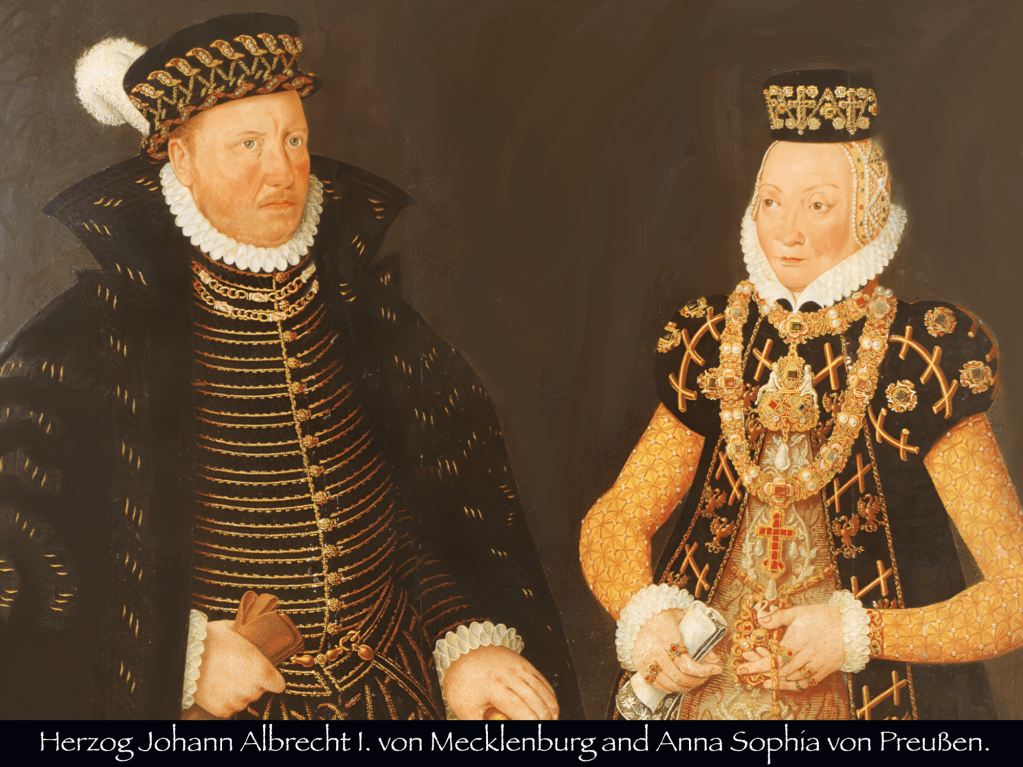
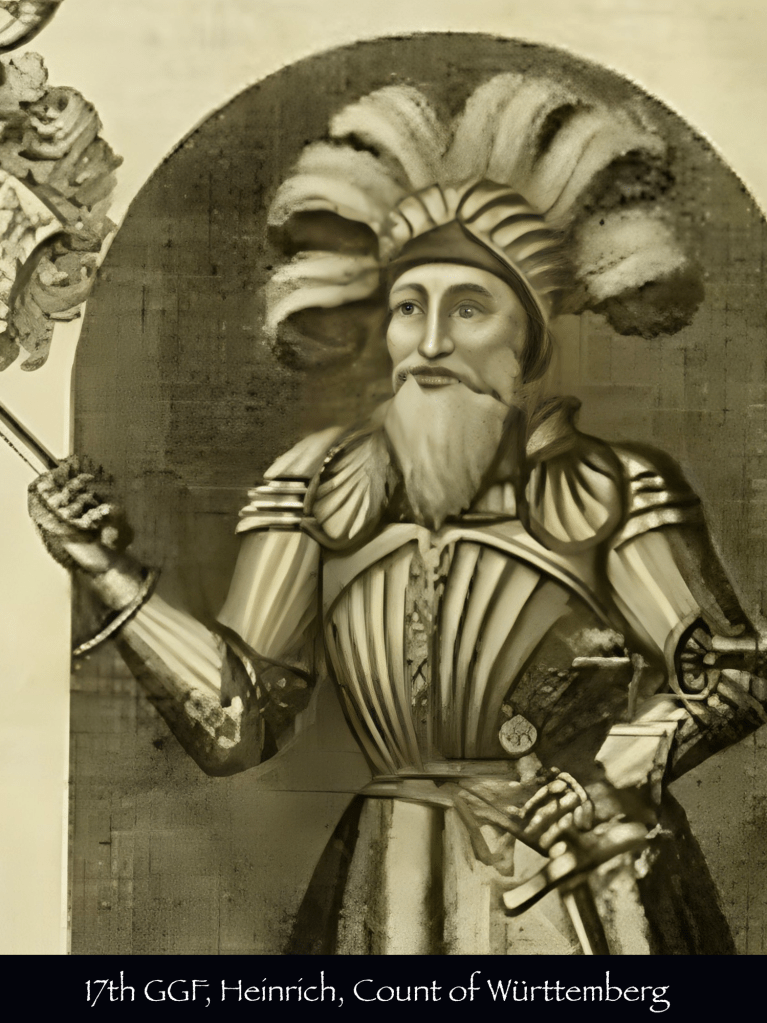
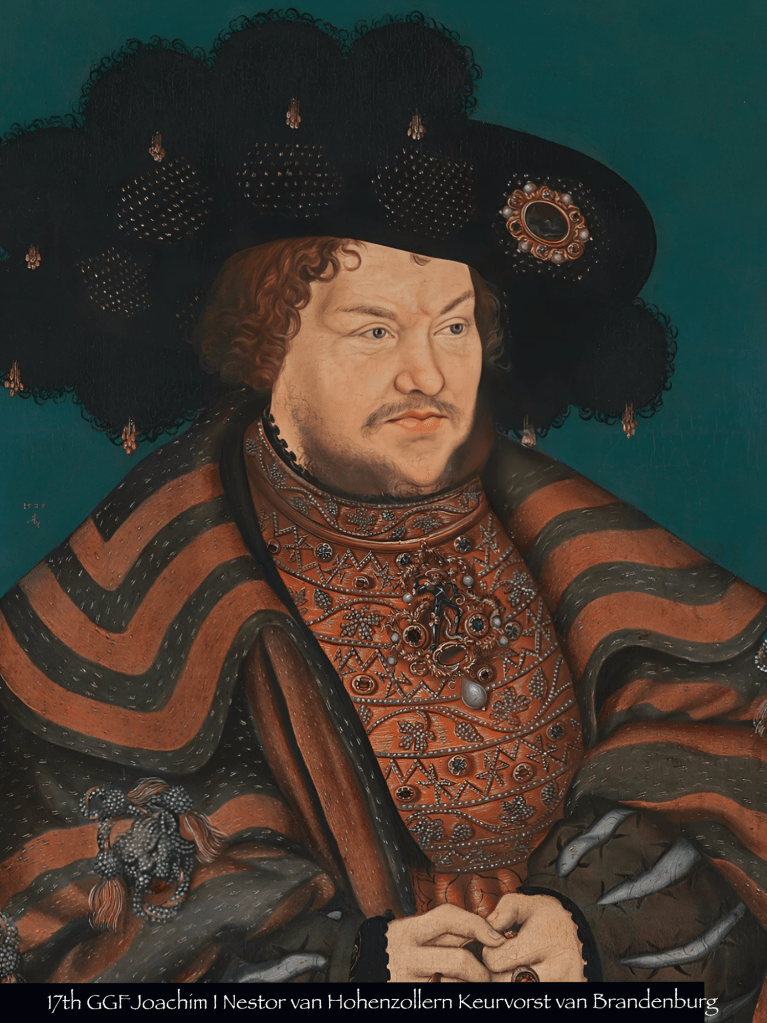
So now it’s more than names/dates

Of course it was always more than simple data… genealogy is about real people with real lives, facing history’s challenges.

But I’ve never paid much attention to the little images that showed up on the records. Yes, the photographs I paid attention to, but the paintings/sketches? I just assumed they were inventions to dress up the entry.

It turns out that some had very good connections to the people, of course the poor Norwegian/German farmers did not have portraits, but some of the minor nobility had a few.

So, I’ve been playing around, fixing things, restoring damage, maybe even a spa treatment or two.

Posted in Commentary | Leave a comment

Ida of Formbach-Ratelnberg

Ida was born in Cham, Nordgau, Bavaria and she was my 29th great grandmother. Not much is known about her life. Her father was Count Rapoto IV of Cham. Her mother was Mathilde von Wels-Lambach, Gräfin von Passau und von Cham, and also from a long line of much higher royalty than her father, one of her mother’s ancestors was an Empress of the Holy Roman Empire.

Ida married well, her husband, Leopold II of Babenberg, was ten years older and left her as a widow in 1095.

Six years later Ida joined the First Crusade in 1101. In September of that year, Ida and her army were among those ambushed at Heraclea Cybistra by the sultan Kilij Arslan I. Ekkehard of Aura reports that Ida was killed in the fighting, but rumors persisted that she survived, and was carried off to a harem, according to Albert von Aachen.

Ekkehard of Aura’s is probably the most likely version, as he is the only one who can rely on eyewitnesses who were survivors of the Battle of Heraclea Cybistra, whom Ekkehard met a few weeks later in Jaffa, while Albert von Aachen and the author of the Historia Welforum reported only after hearsay.

I’m trying to wrap my mind around the fact that six years after being a widow she raised an army to go on Crusade. It wasn’t as if she took over her husband’s role at the moment of death, then continued on. This was her decision. She could stayed safely in Bavaria and managed her lands, and married yet another noble to gain prestige and wealth.

The cynic might say that she saw that possibility in joining the Crusade. I doubt that. The primary motive was faith, and for some greed was never an issue.

Ida was definitely a force to contend with.

Posted in Commentary | Leave a comment

AI is…

Well, I dunno. Something to cheer, or something to fear. I don’t generally reject new things simply because they are new. Well, not often, I’m more of a Luddite than a troglodyte.

For the few weeks I have been testing the various AI engines. I’m wondering if they are more like browsers that share a great vast database of facts. I say this because when I submit my questions (pasted from the same source), I get basically the same response.

I could use a number of different questions, but I choose, “Why are there so few women artists in former times?”

That leaves it open to the recent past or maybe even pre-historic. The responses usually start with the phrase “social norms” or “societal standards”. The next response is usually “the lack of information, training, or experience”.

The problem with “social norms” is that it doesn’t explain why they are what they are. Social norms are created by actions. What are the actions? I point out that this is an unspecific “softball” answer, and they agree and apologize. The language model that they are being taught is to give the impression that that AI is a friendly individual, someone that you will like. I call it “cocktail party” conversation. It would be rude to answer with specific systemic answers.

When I point this out, they all agree and say they are learning and they intend to be more specific rather than be “likable”.

Yet, the latest AI, Copilot by Microsoft, states ythat his primary function is to provide data in a “friendly manner”. I respond that AI should be civil but truthful. I don’t need a friend that does not have feelings, that’s a psychopath.

And again the last paragraph is always the same boilerplate… AI is learning, and appreciates my responses and will use information to improve… on and on and on.

I tell them that I will revisit and ask the same questions to see if they are learning. So far they have not. ChatGPT has had four visits and basically the same response and the same apologies. It’s like pulling hen’s teeth.

Bard/Gemini has the same repeated responses. Eventually they agree to systemic issues, with some accuracy, but it is not forth coming and would have remained hidden unless prodded.

Copilot gave the longest responses but never address the systemic issues until I raised them.

Everything got better when I provide the fact that today there are twice as many women art majors in colleges, yet there are twice as many men that obtain art shows in museums. Easily obtained data, factually true, and makes the “lack of information/training, etc” a falsehood.

AI is a tool, a wonderful tool. Like a sharp knife or a heavy hammer. Nothing to fear, unless it is used to harm.

Making AI into an app like Data in Star Trek, is a foolish use of the tool.

Posted in Commentary | Leave a comment

Crusader Summary

There are 48 Crusaders in my ancestry, to my knowledge. I know that this is currently not a popular subject, but I’m not trying to push a narrative. I’m only writing about history.

There are lots of books on the Crusades and there will probably be more written in the near future. Today, the buzzword for describing the same area is “that it is complicated”. It’s true today, it was true a thousand years ago.

I’ve been slowly collecting genealogical data for the last 50 years. At first it was hard fought and very few accurate entries.

Some years ago, the most vetted European royalty genealogy clubs placed their data online. For over a hundred years people having been tracing the various royal lines as a hobby. Most of the members didn’t even have family roots in the line.

It was a natural goal to find the one family line that married into a royal family that was on geni.com because it meant hundreds of thousands of new connections that were pretty solid. And when there was an issue, there were dozens of written opinions to help make your own decision.

So, about three years ago I did break through, and for a time it was really wonderful. However the database was open to everyone, so some people uploaded information that was more of a wish than a fact.

It’s still a great resource but it must be approached with caution.

As I started to enter the data, I realized that I still had to enter line by line into my database, and some copy mistakes were made that cost a lot of wasted time, but I did learn a good system to handle the transfer. I could also add notations of my own, in my personal database.

I noticed a pattern of only using the year for birth and death, but sometimes the death was very specific. This makes sense because often people were around, but also the dates may have been due to plague or other disasters.

I started collecting those who were killed in battle. History has already determined the dates. In the royal lines that occurred often.

I also flagged those individuals who died far from home. Some because of war, some from pilgrimage, and some from the Crusades.

Often the database mentioned specific Crusader events.

So this is my quick summary, more than half are direct great grandparents, some are great uncles or cousins, and a few are distant cousins twice removed. Generally, I tend to trim my database to direct lines, but I got interested in the story of their lives so for now I’ve left them alone. They all have some DNA although very, very, very, small amounts.


Bouchard IV Lord Of Montmorency Crusader

B:ABT 1129 Montmorency, Seine-et-Oise, Île-de-France, France

D:1189 Acre, Akko, North District, Israel

Richard I, the Lionheart, Crusader

B:8 SEP 1157 Oxford, Oxfordshire, England

D:6 APR 1199 Châlus, Haute-Vienne, Limousin, France

Jean de Bethencourt Crusader

B:ABT 1200 Bosc-Asselin, Sigy-en-Bray, Duché de Normandie, France

D: Battle, East Sussex

Otton II Trazegnies de Blicquy Crusader

B:ABT 1150 , , , Belgium

D:1192 Acre, Northern, Israel

Raoul I de Coucy, Count/Seigneur de Marle Crusader

B: October 15, 1134 Boves, Somme, Picardie, France 

D: November 01, 1191 Siege Acre, Palestine

Leopold von Babenberg Crusader

B:1050 Tulln, Tulln, Lower Austria, Austria

D:12 OCT 1095 Gars am Kamp, Horn, Lower Austria, Austria

Friedrich I, King “Barbarossa” Crusader

B:1122 Haguenau, Haguenau, Bas-Rhin, Alsace, France

D:10 JUN 1190 Königreich, Jork, Stade, Niedersachsen, Germany

Floris III van Holland Crusader

B:1141 Haarlem, North Holland, Netherlands

D:1 AUG 1190 Antioch

Dirk VI van Holland crusader

B:4 JAN 1114 Holland, Netherlands

D:5 AUG 1157 Vlaardingen, South Holland, Netherlands

Sophia Von Salm Rheineck, wife of Dirk VI

B:ABT 1115 Rhineland, Prussia, Germany

D:26 SEP 1176 Jerusalem, Jerusalem, Israel

Étienne II de Blois Crusader

B:1 JAN 1045 Blois, Loir-et-Cher, Centre-Val de Loire, France

D:19 MAY 1102 Ramla, Israel


Guy de Montfort-Castres Crusader

B:BEF 1170

D:31 JAN 1228 Varilhes, Ariège, Midi-Pyrénées, France

Philippe Ier de Montfort-Castres Crusader

B:1206 Sidon, Lebanon

D:17 MAR 1275 Tyre, As Suwaydā’, Syria

Enguerrand II de Coucy Crusade

B:1110 Boves, Somme, Picardie, France

D:1148 Nazareth,Palestine (died in 3rd Crusade

Dreux de Mello Crusader

B:ABT 1137 Mello, Oise, Picardie, France

D:3 MAR 1217/1218 Saint-Bris-le-Vineux, Yonne, Burgundy, France

Guillaume de Mello Crusader

B:30 SEP 1165

D:30 JUN 1241 Nicosia, Cyprus

Hugues III de Bourgogne Crusader

B:1148 Dijon, Côte-d’Or, Burgundy, France

D:25 AUG 1192 Jerusalem, Israel

Sigurd I, “the Crusader” Magnusson King

B:1090 Ålen, Sor-Trondelag, Norway

D:Mar 26, 1130 Oslo, Norway

Fulk V, King of Jerusalem Crusader

B:1090 Anjou, Isere, Rhone-Alpes, France

D: November 10, 1143 Acre, The Holy Land (died from riding accident while hunting near Acre)


Baldwin III, king of Jerusalem Crusader

B:1130 Anjou, Isere, Rhone-Alpes, France

D: February 10, 1162 Tomb Of Kings, Jerusalem, Israel

Mélisende d’Édesse, Reine de Jerusalem Crusader

B: June 02, 1105 Bourg, Rethel (France) – dtr of Baldwin II

D:11 Sep 1161 Jerusalem, Israel

Amalric of Anjou, king of Jerusalem Crusader

B:1136 Anjou, France

D: July 11, 1174 Tiberias, Israel

Robert I “the Magnificent”, Duke of Normandy Crusader

B:June 22, 1000 Rouen, Seine Inferieure, Haute-Normandie, France 

D:July 03, 1035 Bahçelievler, İstanbul, Turkey (illness)

Estridson ‘Eric’ I “the Good” Jelling, King of Denmark Pilgrim

B:1056 Slangerup, Danmark

D:July 10, 1103 Paphos, Cyprus

Bodil Thurgotsdatter, Queen consort of Denmark Pilgrim

B:1065

D:1103 Jerusalem, Israel (Døde på Pilgrimstur)

Jean, lord of Bethencourt Crusader

B:1025

D:1100

Sir John Howard, Kt., MP, Sheriff of EssexPilgrim

B: August 22, 1365 Wiggenhall, Norfolk, England

D:November 17, 1437 Al Quds or Jerusalem, Niyabat al Quds, Mamluk Sultanate

Erard II, count of Brienne Crusader

B:June 01, 1130 Brienne-le- Chataeu, Champagne, France

D:February 08, 1191 Acre, Palestine (seige of Acre)

Heribert IV (VI), comte de Vermandois Crusader

B:July 20, 1032 Vermandois, Normandy, France 

D:February 23, 1080 Tarsus, Cilicia, Asia Minor (now Turkey)

Renaldo Señor De Launay Crusader

B:1027

D:

Renato De Bracquemont y Launay son of Renaldo, Crusader

B:1054

D:


Geoffroi IV de Joinville, seigneur de Joinville Crusader

B:1141 Joinville, Haute-Marne, Grand Est, France 

D: August 1190 Acre, Akko, North District, Israel

Georg “the Crusader” Spengler

B:1150 Wuerzburg, Bavaria, Germany

D:1190 Antioch, Turkey (Died while on Crusades

Salentin I, Graf von Isenburg-Kempenich Crusader

B:1200

D:1219 On Crusade

Adalbert II de Metz et Saargau, duc de Basse-Lorraine Crusader

B:970 Metz, (Present Lorraine), Western Francia (Present France)

D: December 25, 1033 Bouzonville (Returning from Jerusalem)

Robert de Beaumont, Third Earl of Leicester Crusader

B:1120 Leicester, Leicestershire, England

D: August 31, 1190 (now Albania), Durazzo Provence, Greece (Died in Greece on his return journey from a pilgrimage to Palestine.)


Guillaume de Grandmesnil, Heir of the honour of Grandmesnil Crusader

B:1092 Hinckley, Leicestershire, England

D:10 Feb 1184 Apulia, Italy

Guillaume le Jeune Gouët, d’Alluyes, III Crusader

B:1080 England

D:1119 Terre Sainte, , , , Palestine,

Ludwig I, Herzog von Bayern Crusader

B:23 Dec 1173 Kelheim, Bayern, Deutschland

D:September 15, 1231 Kelheim, Bayern, Deutschland

Otto I, Graf von Scheyern Crusader

B:1018 Schwaben, Kelheim, Bayern, Germany

D: December 04, 1072 Jerusalem, Judah, Israel

Guermond I de Picquigny, vidame d’Amiens Crusader

B:1080 France

D:1131 Saida, Gouvernorat du Sud-Liban, Líban (Lebanon)

Ernulf, seigneur de Hesdin Crusader

B:1038 Hesdin, Duchy of Lorraine (now Nord-Pas-de-Calais), France

D: 1098 (55-64) Antioch [nr. Modern Antakya], Hatay Province, Turkey (Killed on Crusade at Antioch, in the Holy Land)

Philip de Braose, 2nd Lord of Bramber Crusader

B:1073 Bramber, Horsham, Sussex, England

D:May 1134 Holy Land, Palestine

Bernard III (IV) de Saint-Valery, seigneur de Saint-Valéry Crusader

B:1113 Haseldene, Gloucestershire, England

D:September 17, 1191 Acre, Palestine (on crusade)

Gauthier “Crusader” de Saint-Valéry, Seigneur de Saint-Valéry Crusader

B:1031 Saint-Valery-en-Caux, Upper-Normandy, France

D:1098 Holy Land, Palestine

Eudes Borel, duc de Bourgogne Crusader

B:1058

D:March 23, 1102 Tarsus, Mersin Province, Turkey


90% of this data comes from http://www.geni.com and I have found that it is generally accurate and vetted with documents.

24 from France

6 from England

5 from Germany

3 from Belgium

2 from Denmark

1 from Norway

13 returned home

35 died while on Crusade, but not necessarily in battle.

14 were killed in action, in the record.

3 were women, two wives of pilgrims, one was the daughter of the King of Jerusalem, so she was Queen of Jerusalem.


Posted in Commentary | Leave a comment

Art as Loot, pt. 2

So it seems that this week Netflix is pushing “Monument Men”, so I had the time, and my iPad was charged. Great flick. Underrated.

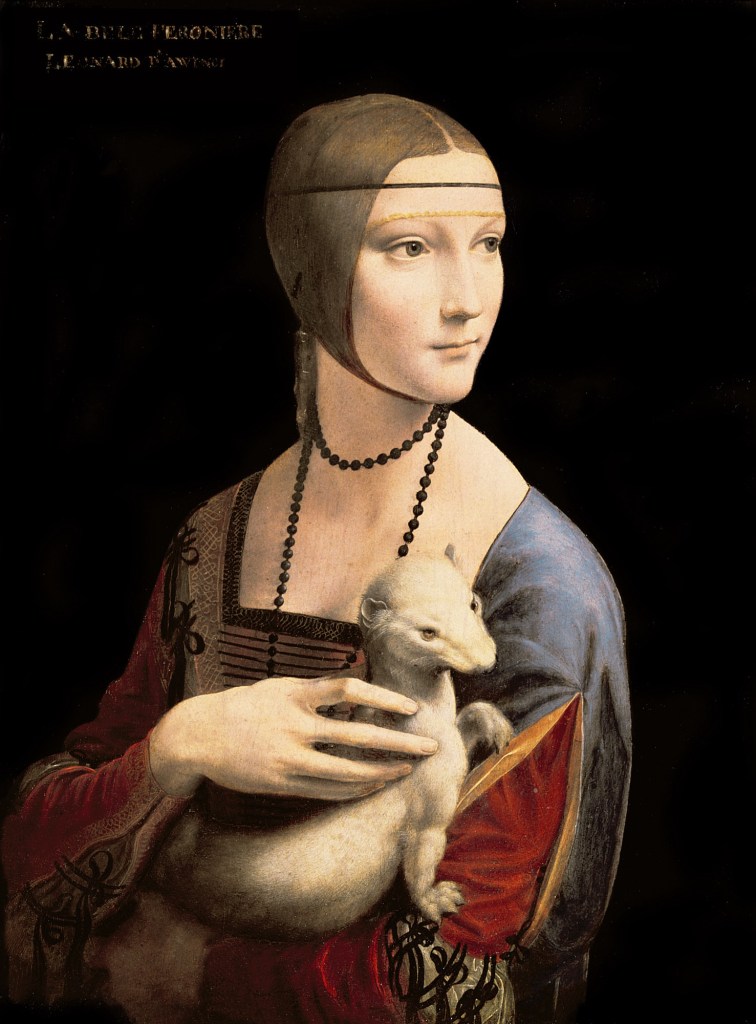
The interesting thing is that one of the featured pieces of was from daVinci, but not the Mona Lisa. It was Cecilia Gallerani, 1485.

Leonardo da Vinci, Cecilia Gallerani, 1485

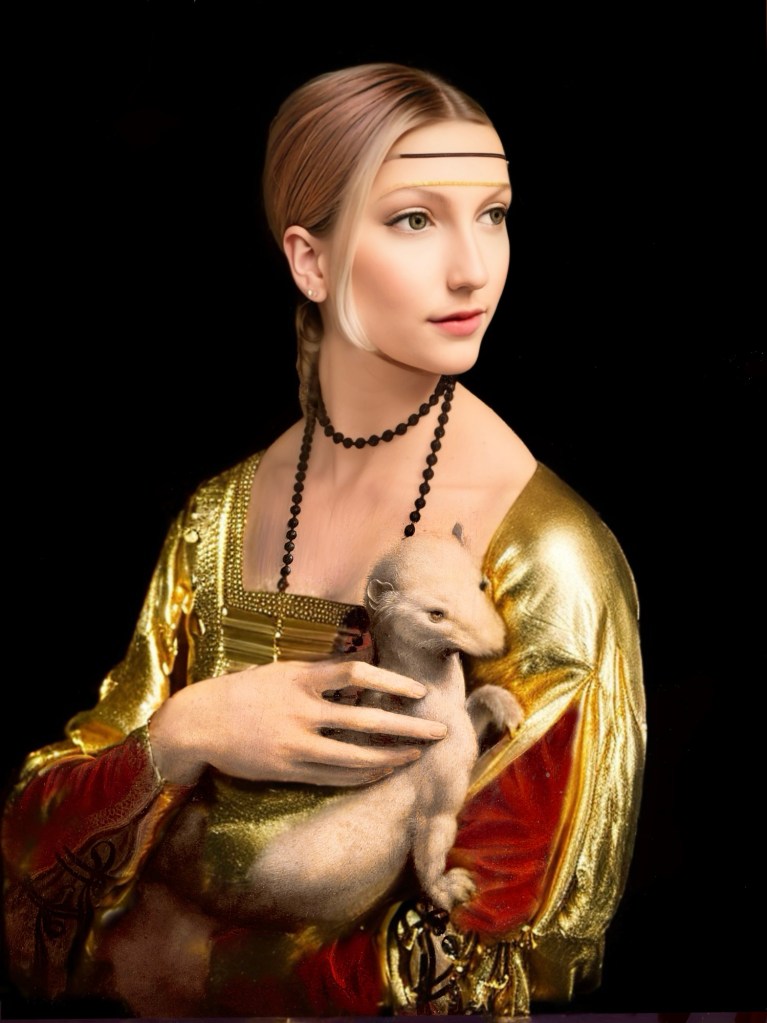
And it was one of the first Renaissance pieces that I re-imagined.

A tribute to…Leonardo da Vinci, Cecilia Gallerani, 1485
Posted in Commentary | Leave a comment

Art as Loot

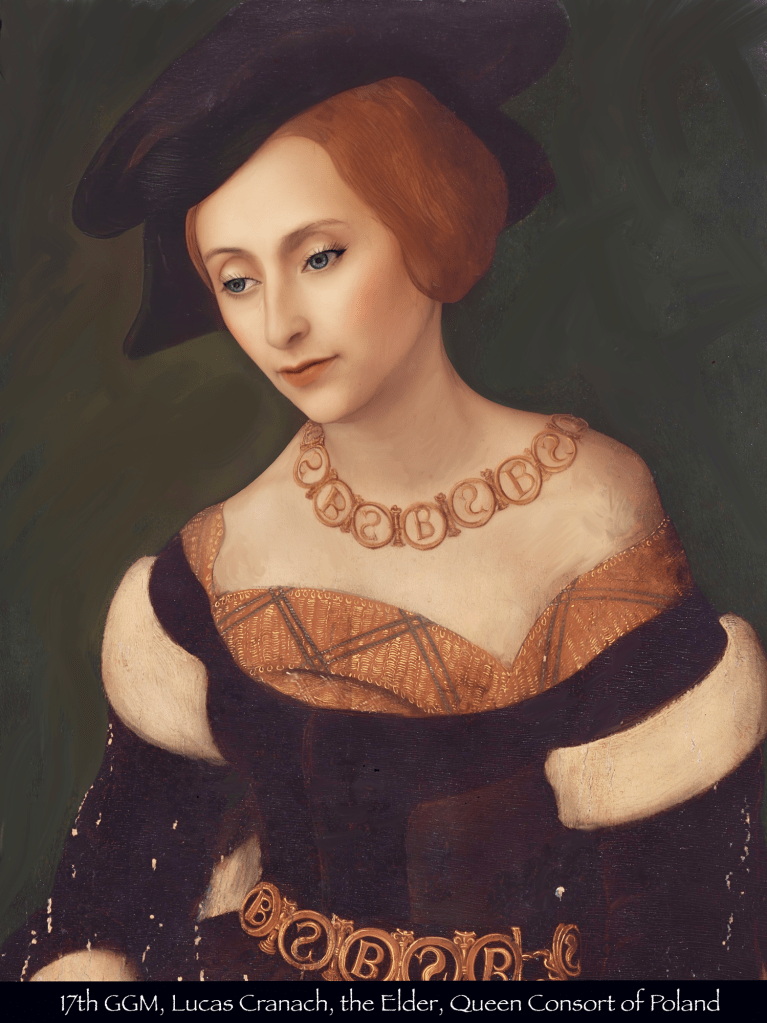
Tribute to Lucas Cranach, the Elder

I’m going to rewatch Monument Men in the near future. I’ve been long aware that the history of that simple gold bracelet I bought my wife could be quite complex. It’s possible that the gold was freshly panned by someone in the Sierra Navada mountains, then melted into ingots, then squeezed and hammered into a bracelet which I bought. Not likely.

Instead, gold is so honored and so precious, that any gold we have today is likely to be joined by 100 year old gold, one thousand year old gold, and maybe even Egyptian or Babylonian gold. An ounce of gold could have had many lives, and formed into many different pieces of art. One might say that silver and gold are destined to someday be loot in some future war. Then melted down and reformed.

Instead, gold is so honored and so precious, that any gold we have today is likely to be joined by 100 year old gold, one thousand year old gold, and maybe even Egyptian or Babylonian gold. An ounce of gold could have had many lives, and formed into many different pieces of art. One might say that silver and gold are destined to someday be loot in some future war. Then melted down and reformed.

Not true for all art. Sculpture in mountains will not transport, but they can be destroyed. Cave art can be transferred to a different country or culture if the land is conquered.

But most sculptures and most paintings can be loot, stolen by temporary victors and then recovered by the final victors. Except… mostly they are not.

The movie “Monument Men” is a

about the Nazi theft of most of the private art in Europe. Hundreds, maybe thousands of individuals got rich selling and delivering art that was not theirs to sell. ll about the Nazi theft of most of the private art in Europe. Hundreds, maybe thousands of individuals got rich selling and delivering art that was not theirs to sell.

State or public museums can be affected, but in World War II it was the private collections of people that were conquered, particularly the Jewish collectors of Europe. The process was simple, first the government had to divide the population into distinct groups, then the rights of one group was lessened. Jews weren’t exactly people, so they could not own property. It wasn’t right to leave the property, or to reemburse, so the state simply seized all of the art.

Then the official property department sold the art to various Nazi leaders, Herman Goering in particular. After the war the selling continued even if the war did not. Dozens of sales meant the private collections went to hundreds of museums and other individuals through out the world.

I’ve known this for some time, but recently I became reacquainted with the art of the Cranach family, Lucas the Elder and Lucas the younger. It turns out that both of them were commissioned to paint some of my ancestors. They were mostly minor nobles but some were Electors of Brandenburg or Saxony. The Cranachs were hired to paint the leaders of the government.

Many Germany painters were collected by the wealthy in Europe, some were royalty, some were merchants and some were Jewish. Art has always appreciated over time, and it was a good investment.

So I have been reimagining some of the Cranachs work. There were several version of Adam and Eve that Lucas the Elder had painted. The one I choose to re-imagine was owned by the Simon Norton museum in Southern California. I just read today that a court had decided that the painting was not looted and that the museum could keep it, as it has for the last 50 years. The family that had owned it before Goering stole it, gets nothing.

Tribute to Lucas Cranach, the Elder, Wife of Martin Luther
Tribute to Lucas Cranach, the Elder, Portrait of a Young Woman
Posted in Commentary | Leave a comment